Sixty quid. That’s about what I paid for a “premium” food mill a few years back. We used it maybe a handful of times before the plastic gears stripped out. The wife wasn’t even hammering it, just making applesauce. Bloody thing just gave up.
Then I borrowed my neighbour’s old food mill to get us “out of the cart”. Battered old beast from the 1940s that had belonged to her mother. Worked perfectly. She gave it to us. We’re still using it now, three years on!
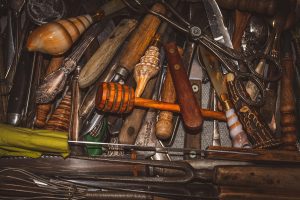
That’s when I started paying proper attention to what was lurking in the back of my mum’s kitchen drawers, a lot of which had belonged to each of my Grandmothers. Some from my wife’s side, too.
It’s Not Just Nostalgia
There’s a thing about old kitchen tools that most people miss. They weren’t built better because craftsmen had more time or because “they don’t make them like they used to” in some vague, romantic way.
They were built better because manufacturers couldn’t afford not to.
There was no next-day delivery if something broke. No internet to bury poor reviews on page 47 of Google. If your product failed, everyone in town knew about it by Sunday. Reputation mattered. Companies designed for longevity because the alternative was going out of business.
Modern kitchen gadgets often have planned obsolescence built in. Not being cynical, it’s just how it works. Why sell you one mixer that lasts forty years when they can sell you five over the same period? You’ve seen the same with washing machines right?
Cast Iron Reality
I’ve heard people talk about cast iron like it’s this precious, high-maintenance thing. And vintage cast iron is brilliant – I’ll stand by that. My vintage skillet I bought on eBay from God knows when is smoother than any modern non-stick I’ve used.
But can we stop pretending it’s complicated?
The whole “never use soap” business is outdated advice from when soap contained lye, which actually would strip the seasoning. Modern washing-up liquid’s fine. I use it every time. Seasoning’s perfect, unaffected.
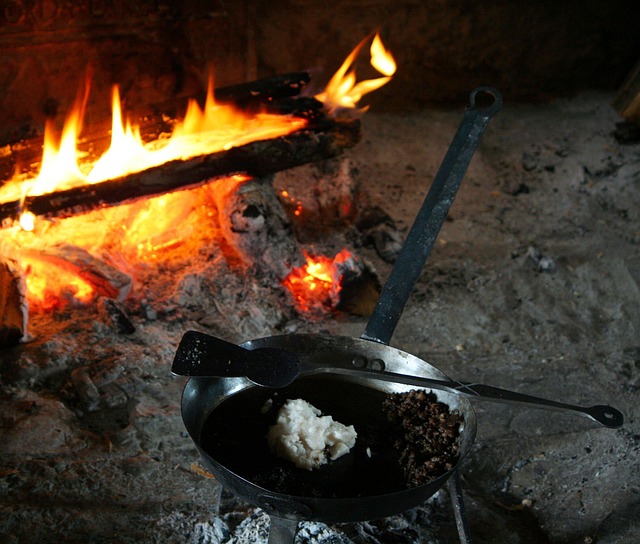 What I think makes vintage cast iron special is the machining. Old pieces were polished smooth. Some new pans come with that rough, pebbly surface because they skip the final machining step because it “costs too much”. The metallurgy changed sometime in the 1950s too, though I’d need someone cleverer than me to explain the exact details. What I can tell you is the difference when you’re cooking eggs.
The heat retention is different as well. Something about how the iron itself was sourced, but that’s beyond my knowledge.
Hand-Crank Tools That Still Make Sense
I picked up an old rotary egg beater for pennies from the car boot sale, the hand-crank type that looks like it belongs in a museum. It does a better job than our electric hand mixer in every way that matters except speed.
It’s worth remembering speed’s not always better.
With the hand-crank, you can feel exactly when the egg whites hit soft peaks, when they’re approaching stiff peaks, and when you’re about to overbeat them into a grainy mess. You’ve got complete control over the rhythm and intensity. No screaming motor, making you wonder if the thing’s about to let you down and pack in.
Your hand naturally adjusts pressure and speed. Then you stop.
With an electric mixer you’re just holding a vibrating machine and hoping you’re paying enough attention to catch the right moment. Plus they’re stupidly loud.
Same goes for hand-crank food choppers. We’ve got a vintage Mouli grater from the 1960s (I think) that does everything our food processor does, except it’s quieter, easier to clean, takes up about six inches of drawer space, and will definitely outlive me.
The Wooden Spoon Situation
Not all old wooden spoons are created equal, but the ones from the 1940s through to the 1960s are a different beast entirely.
The wood itself was harder. Beech or maple, proper hardwood, not the soft stuff they use now. It was dried and prepared naturally and properly prior to use. Our vintage spoons will have been stirring hot sauces and thick stews for sixty-plus years and barely show wear. The grain’s tight. No splintering.
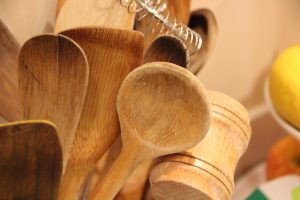
New wooden spoons from the supermarket get fuzzy and rough after maybe four months of regular use. The wood’s too soft.
Also, and this sounds daft, old wooden spoons smell different. Like they’ve absorbed decades of cooking. This warm, faintly sweet scent you can’t quite place. Not unpleasant. Just history.
Where to Find This Stuff (Getting Harder)
Estate sales used to be the place. But they’re getting picked over by resellers who run antique stalls or just turn them over on eBay. You’ll still find gems occasionally, but you’re competing with people who do this professionally.
Better bet: ask old people directly.
Seriously. Your great-aunt probably doesn’t want that stuff. She’s likely trying to downsize. The cast iron skillet taking up space in her garage? She’ll probably just give it to you if you ask.
Church jumble sales are surprisingly good too. Old kitchen tools aren’t sexy enough for the antique dealers, but they end up in donation boxes when people clear out their parents’ houses.
If you’re willing to put in work, beat-up vintage tools are actually better buys than pristine ones. A rusty cast iron pan can be restored with about two hours of work and some elbow grease. That patina on copper polishes right off if you want it to (though I quite like it).
What’s Actually Worth Getting
Not everything old is better. Some stuff is just old and bad.
Cast iron cookware: Absolutely. I’ve been told to look for Griswold, Wagner, or unmarked pieces from the early 1900s. Apparently, they’re noticeably lighter and smoother than modern.
Rotary beaters and hand-crank tools: Yes, if you’ve got the working space and don’t mind the manual work. The control is genuinely better.
Wooden spoons from before 1970: Definitely. Hardwood that actually lasts.
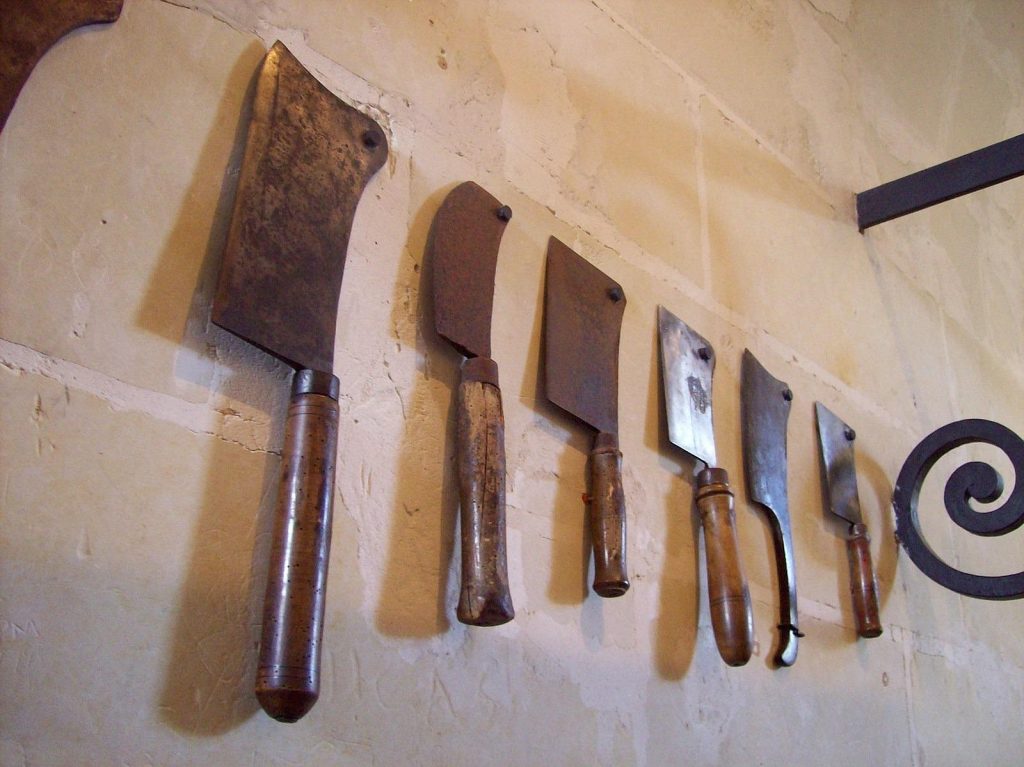 Vintage knives: Depends. Old carbon steel can be brilliant if you know how to maintain it, but modern knife technology has actually improved in meaningful ways. I’m a sucker for big, old knives. I’ve bought some proper wrecks and turned them round. Bone of contention in our house though because there’s only me looking after them, drying them properly and wiping with a bit of olive oil to avoid flash rusting. This is one area where new might be better unless you really know what you’re doing.
Anything with a motor from before 1990: Probably not unless you’re handy with electrical repair or like the look of it (which I generally do but have been caught out). Motors do wear out.
The Thing About Maintenance Nobody Mentions
Vintage tools require a different relationship with your stuff.
You can’t just chuck everything in the dishwasher and forget about it. Cast iron needs drying properly. Wood needs occasional oiling. Metal develops patina.
Some people hate this. They want convenience above all else.
But there’s something quite satisfying about wiping down a cast iron pan, watching the towel pick up the faintest bit of seasoning, knowing this exact pan cooked someone’s breakfast in 1952. Takes thirty seconds. Not hard.
Modern gadgets promise to save you time, but you spend that “saved” time replacing them every couple of years and dealing with electronics that break in odd ways.
When Modern Actually Wins
Look, I’m not some purist who thinks everything old is superior.
Food processors are legitimately better for certain tasks. Try shredding five pounds of cabbage for sauerkraut with a hand grater and you’ll understand why electric motors were invented.
Instant-read thermometers are vastly better than the old dial ones.
Modern kitchen scales are way more accurate than vintage balance scales, plus they do metric conversions, which matters if you’re weighing tools for Evri 🙂. I do like a vintage scale though.
The key is knowing what each tool does best. Sometimes the old way is genuinely superior. Sometimes you’re just being stubborn and nostalgic.
The difference is durability. Even when modern tools work better, they won’t work for long.
What I’d Tell Anyone Starting Out
Start with cast iron. Just one good pan. Learn to use it properly, which takes maybe three attempts at cooking eggs, not years of practice like the internet claims.
Add vintage tools slowly as you find them. Don’t buy complete sets on eBay for inflated prices. Half the fun is stumbling across them.
And don’t feel guilty using both. My kitchen has a vintage skillet sitting next to a modern coffee grinder. They’re tools, not religious artifacts. The vintage stuff will still be working when the electric gadgets are in a landfill. That’s not romanticism. Just maths and metallurgy.
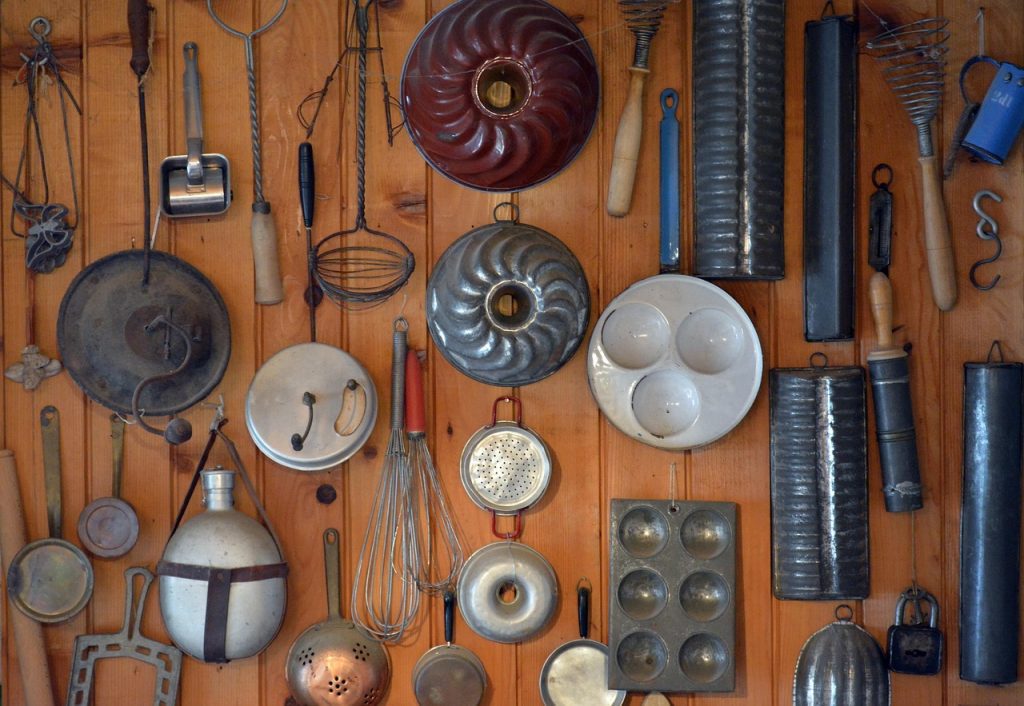
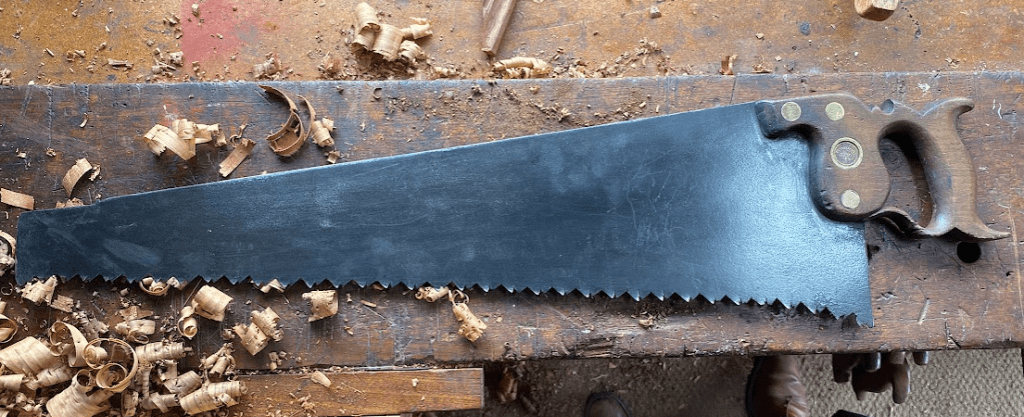
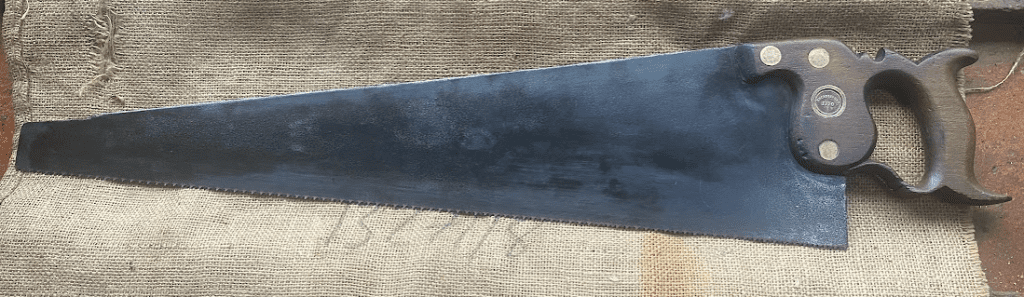
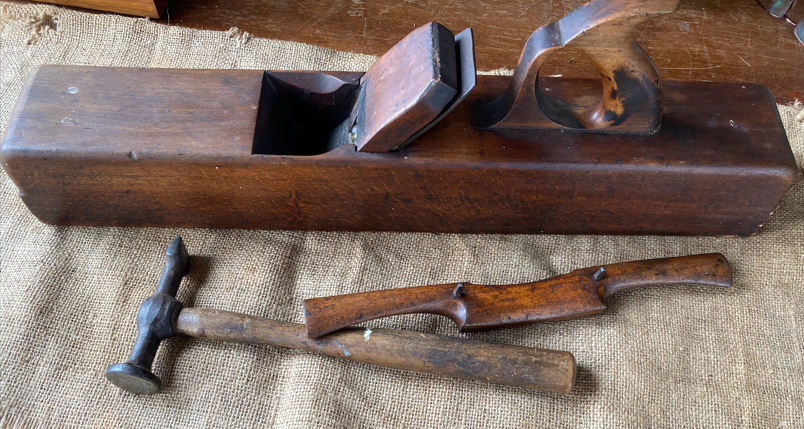
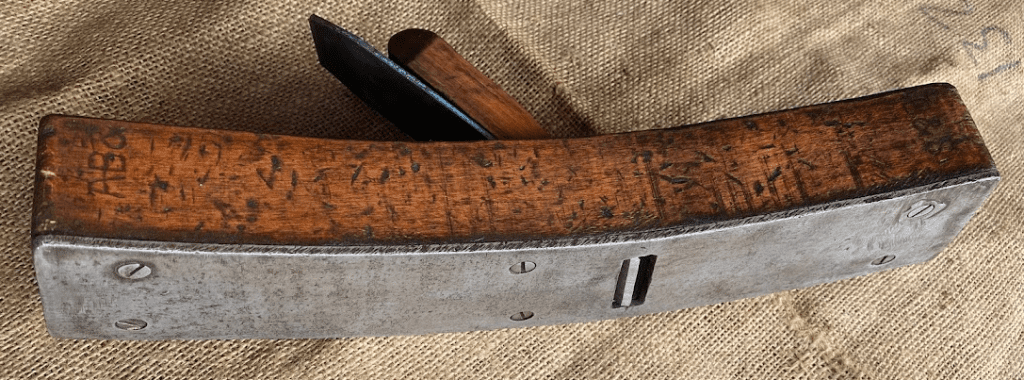
 Right then, let’s talk about the Cooper. Not the awesome little car from “The Italian Job”, mind you, but a proper tradesman: one who expertly assembled casks, barrels, vats, and any other vessel made of wooden staves. Coopers were (in fact still are) masters of their craft. Without a good Cooper, much of the world’s trade, and certainly its best drinks, wouldn’t have gone anywhere.
 This sealing relies entirely on the meticulous shaping of the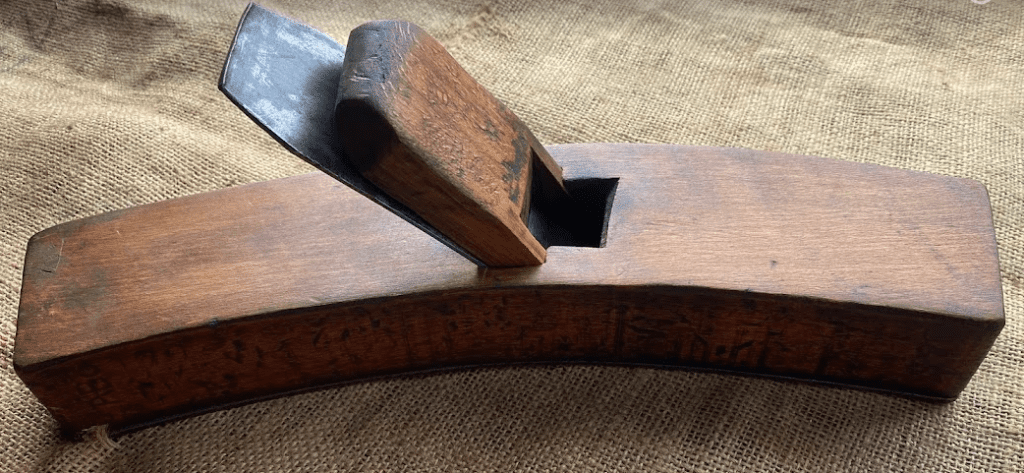
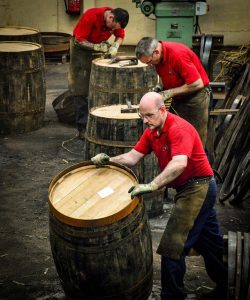 In major cities like London, Liverpool, and especially the brewing heartlands of the Midlands and Yorkshire, Coopers were a powerful force. They weren’t just fixing things; they were making thousands of new vessels every year. They even had their own slang, and a good sense of humour with it. If you’re bending heavy oak staves and dealing with hot steam all day, you need a bit of a laugh and maybe a flagon or two.