A couple of years ago, maybe more, I acquired a plane from a gentleman at the local car boot sale. He seemed well-versed in tools, and his wares offered a clue that he had genuine knowledge with a bit of back story.
I spotted what appeared to be a wooden “jack plane” looking desperately sorry for itself in an old steel pail and moved in for a closer look. It was dirty, grubby in fact with a rusty iron and a well cut mouth infill piece that was loose.
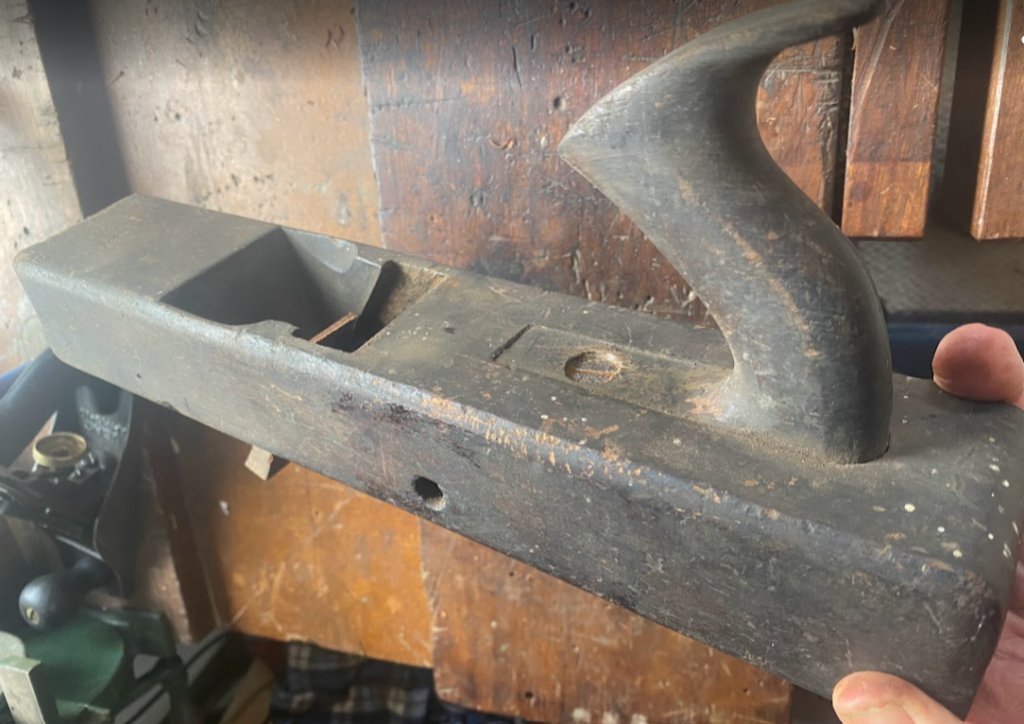
“Do you know what that is?” he asked. On closer inspection I could see that the sole was rounded. The plane itself was about 2″ wide.
I didn’t really know exactly and told him as much. “It’s an old spout plane” he offered, “for making wooden guttering“. That piqued my interest, something away from the norm.
Fortunately, I came away with it, a few quid lighter if memory serves me.
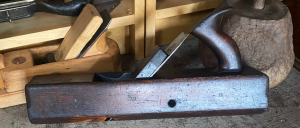
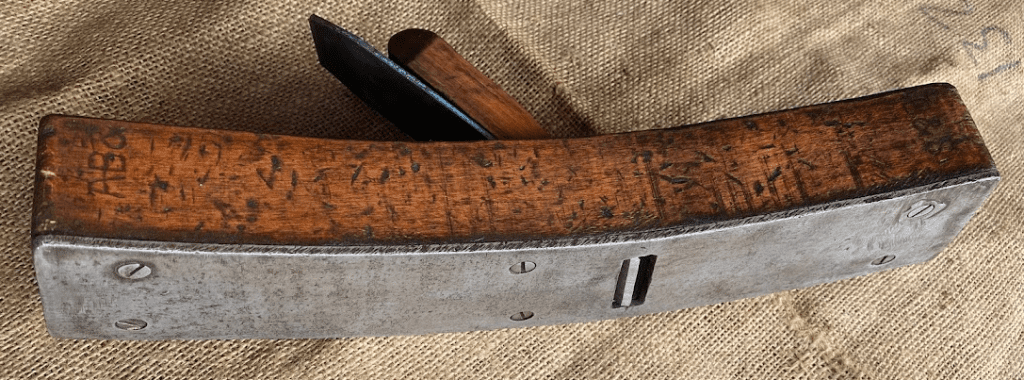
When I got it to the bench and rubbed him a bit cleaner with a rag, I could see a maker’s mark on the toe as well as a couple of owner’s marks.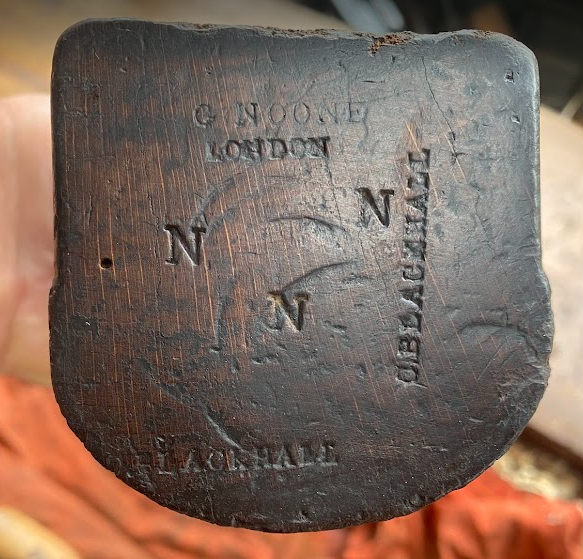
My trusty (and much needed) magnifying glass gave up the maker as being George Noone of London. A quick flick through “Goodman’s British Planemakers” by Jane Rees revealed George Noone was resident at 4, Whitmore Road, Hoxton, 1861 and then 153, St John’s Road, Hoxton between 1862 – 1872. He’s listed as a Toolmaker and dealer. The previous owner, C Blackhall, has his name all over it too.
So I was looking at something more than 150 years old.
Intrigued as to what the seller had told me, I looked it up in R.A.Salaman’s Dictionary of Woodworking Tools (Revised Edition) which goes on to describe it as:
“Spout plane or gutter plane. Convex or round plane. A plane of Jack appearance, but with a single iron and a deep, rounded sole – Used for hollowing out wooden gutters or spout”.
Pleased with my find I went on to inspect the rest of my day’s haul and the plane got put on a shelf in the shed alongside a good few others. There it’s stayed, untouched until now, perhaps being inspected once or twice when I’ve been in contemplative mood.
I’d had a busy week with the “day job” and really fancied a bit of respite. Saturday morning, trawled the shed for a restoration candidate, found the plane and wondered why it had taken me so long to get to it.
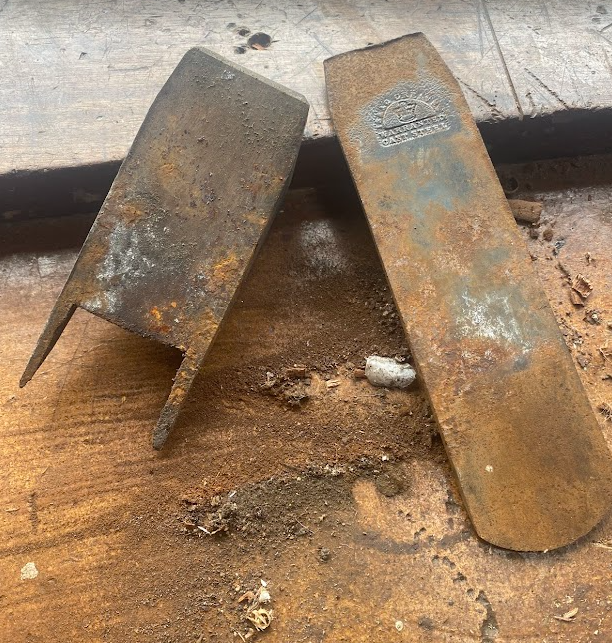 Taking it to the bench, I struck it on the heel with the Thor mallet to shock out the wedge and set the iron loose. Needed several sound blows before it gave in and then it all took some disassembling due to the compounded years of grime and rust.
All in bits now (plane, not me yet) I set about fixing the loose infill patch in the mouth. Have always found two-pack epoxy the best and learnt how to be generous with it, cleaning it up with a sharp craft knife within an hour or so. Got that set and wedged in tight with a bit of scrap hardwood. Sound job.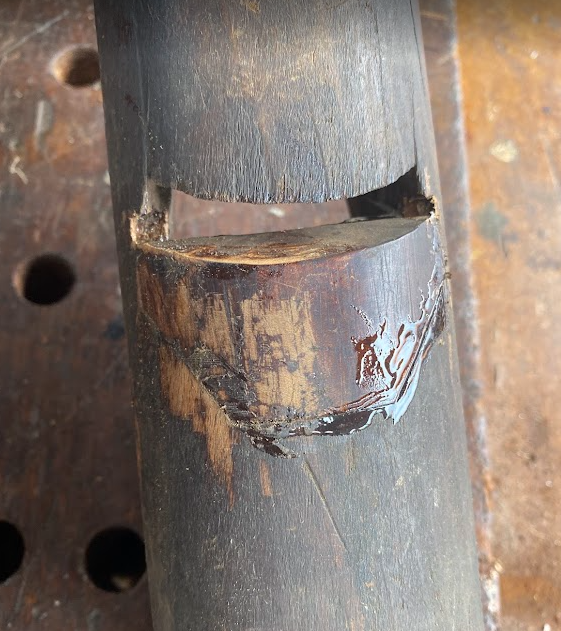
Then to the iron who was a proper rusty old boy. Loaded the Dremel with a small wire brush to uncover the maker’s mark which revealed itself as being manufactured by Isaac Greaves, a highly respected edge tool maker of the day.
Knowing I was working with excellent stock, I used a fine scraper to clean both sides as best I could and then took it to the wire wheel on the bench in “shed 2”. Came up nicely and although pitted, there was nothing to affect the cutting edge and the back was reasonably flat albeit that wouldn’t matter much for the job it does.
The rounded cutting edge was beautifully ground and needed only touching up on the edge. Never the easiest to do freehand I’ve found so I planed a scrap of softwood with a No. 18 round plane to start and then worked the actual profile with the plane itself.
Then it was just a matter of laying some abrasive paper in the cut profile and pulling the iron edge down it. This, I’ve found, is the best method for an even edge, working through 3 or 4 different grits for a nice neat finish. Happy boy.
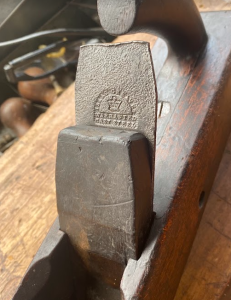 Polished it on the leather strop (maybe overkill for this one), wiped it with oil to stop it rusting and it was ready for refit.
Next I tidied up the infill patch, making ready for a good clean, and expecting this to be messy as the plane was really dark and near black but it pretty much stayed that way when rubbed with fine scotchbrite soaked with white spirit. The wood itself is dark and I think we’ll now call that “patina”.
Reassembled, tested and signed off. I hope both Mr Noone and Mr Blackhall would approve. Another important bit of history lives on. Can’t believe I left it so long.
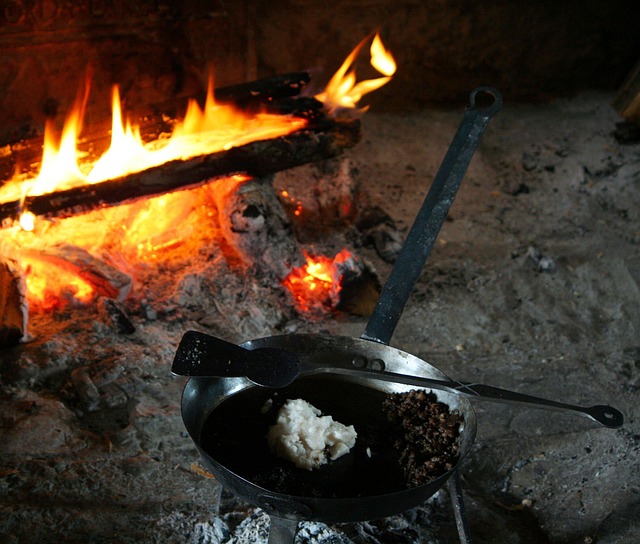 What I think makes vintage cast iron special is the machining. Old pieces were polished smooth. Some new pans come with that rough, pebbly surface because they skip the final machining step because it “costs too much”. The metallurgy changed sometime in the 1950s too, though I’d need someone cleverer than me to explain the exact details. What I can tell you is the difference when you’re cooking eggs.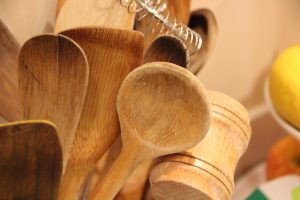
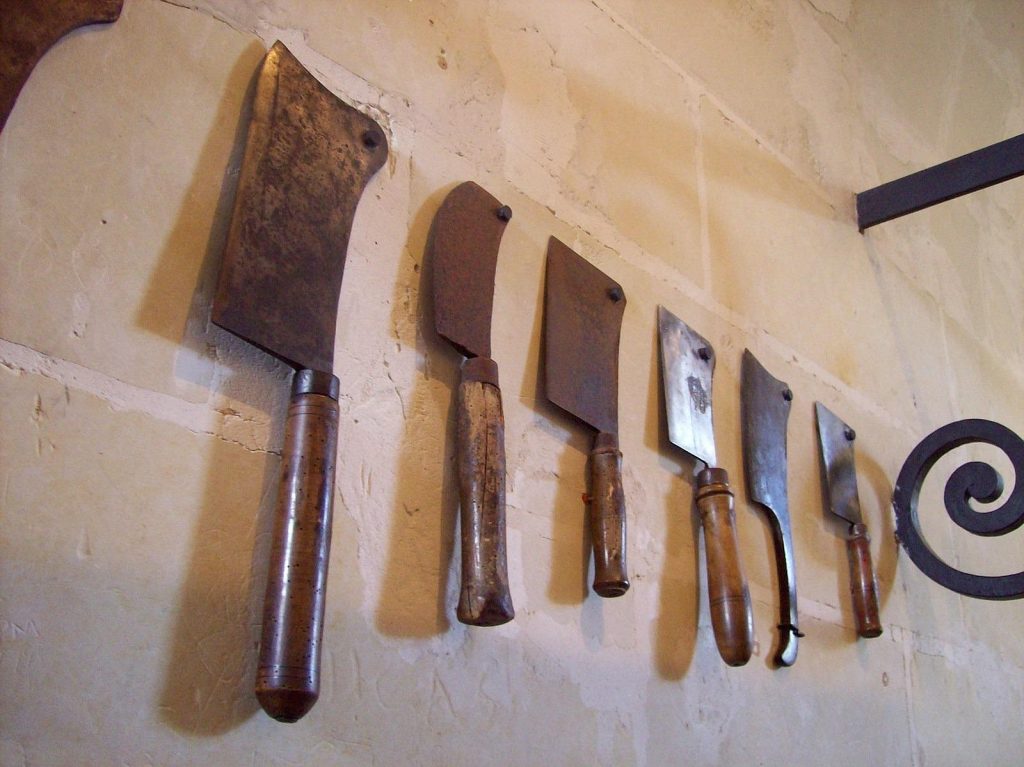 Vintage knives: Depends. Old carbon steel can be brilliant if you know how to maintain it, but modern knife technology has actually improved in meaningful ways. I’m a sucker for big, old knives. I’ve bought some proper wrecks and turned them round. Bone of contention in our house though because there’s only me looking after them, drying them properly and wiping with a bit of olive oil to avoid flash rusting. This is one area where new might be better unless you really know what you’re doing.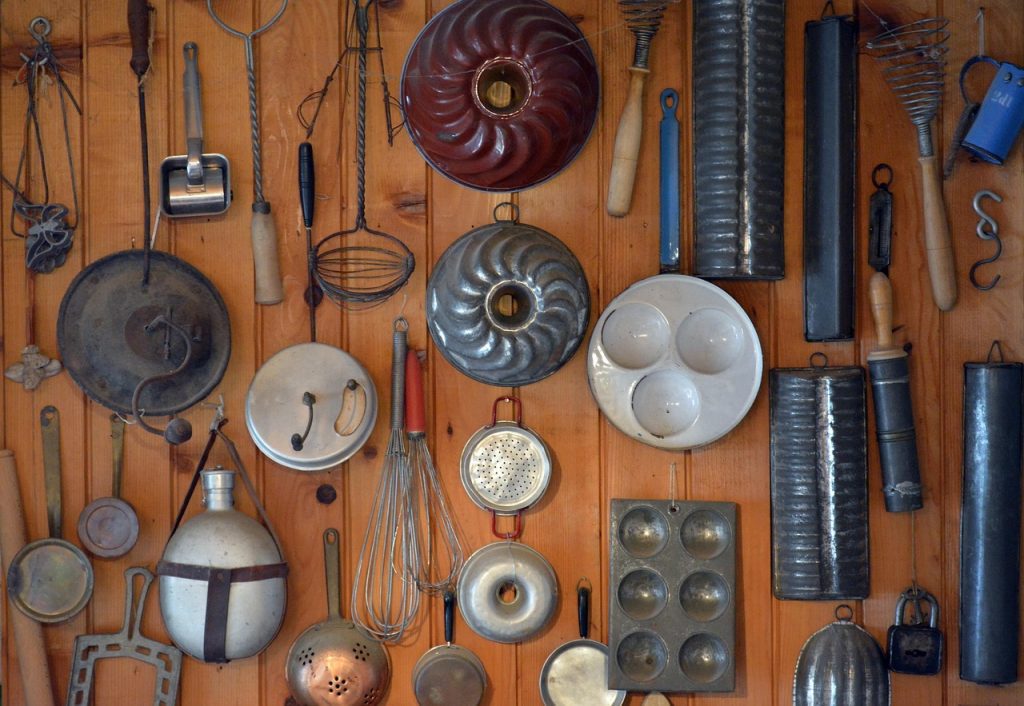

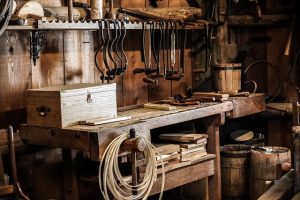
 Right then, let’s talk about the Cooper. Not the awesome little car from “The Italian Job”, mind you, but a proper tradesman: one who expertly assembled casks, barrels, vats, and any other vessel made of wooden staves. Coopers were (in fact still are) masters of their craft. Without a good Cooper, much of the world’s trade, and certainly its best drinks, wouldn’t have gone anywhere.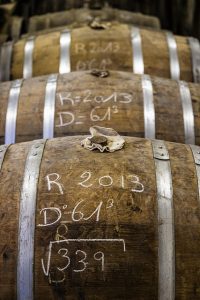
 This sealing relies entirely on the meticulous shaping of the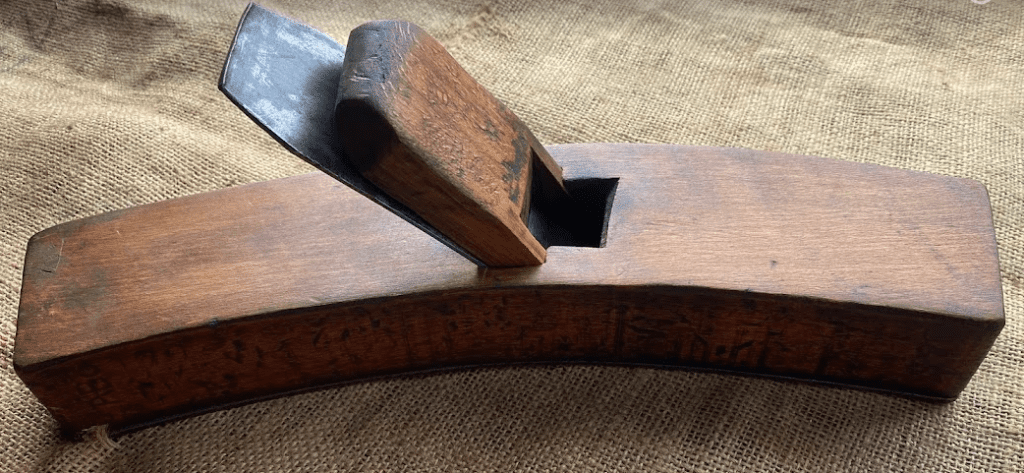
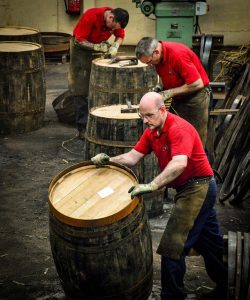 In major cities like London, Liverpool, and especially the brewing heartlands of the Midlands and Yorkshire, Coopers were a powerful force. They weren’t just fixing things; they were making thousands of new vessels every year. They even had their own slang, and a good sense of humour with it. If you’re bending heavy oak staves and dealing with hot steam all day, you need a bit of a laugh and maybe a flagon or two.